The origins of the sauna experience can be traced back to ancient times, with evidence of sauna-like practices found in cultures across the globe. One of the earliest known examples comes from the indigenous people of North America, who heated stones in a fire pit and then poured water over them to create steam. This ritual was not only a way to cleanse the body, but also held spiritual significance for these early societies.
In Scandinavia, the sauna history dates back over a thousand years, with the tradition playing a central role in daily life for many Nordic peoples. The Finnish sauna, in particular, is renowned for its therapeutic benefits and is considered an integral part of Finnish culture. The word "sauna" itself actually comes from Finnish origins, highlighting the cultural importance of this practice in the region.
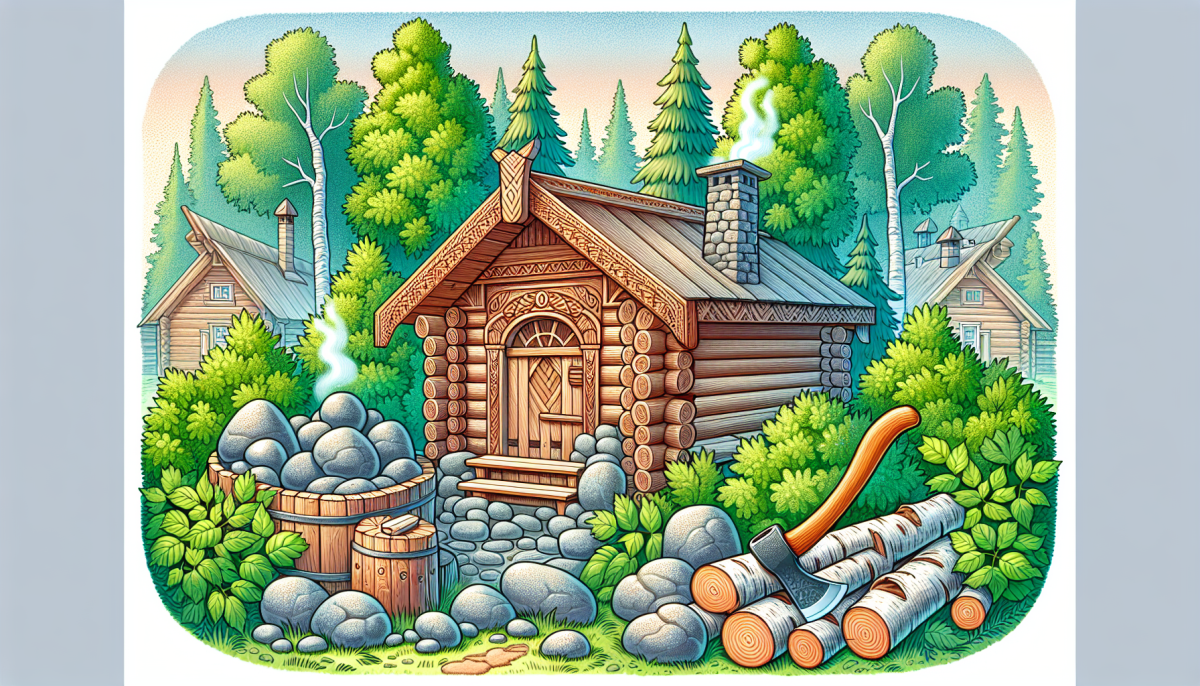
The use of saunas spread across Europe and Asia over time, with different variations and customs developing in each region. In Russia, the banya became a popular form of the sauna experience, often incorporating steam baths and cold plunges for a full-body rejuvenation. Similarly, in Japan, the onsen tradition involves soaking in natural hot springs as a way to relax and purify the body. Overall, the rich sauna history around the world highlights the universal appeal of this ancient practice for promoting health and well-being.
Evolution of Sauna Practices Around the World
Saunas have a long and rich history that dates back thousands of years. The practice of using heat to induce perspiration and promote relaxation is a tradition that spans across many cultures around the world. In fact, the concept of the sauna can be traced back to ancient times, with evidence of similar practices found in civilizations such as the Egyptians, Romans, and Native Americans.
One of the earliest documented records of saunas can be found in Finland, where the traditional Finnish sauna has been a significant part of the culture for centuries. The Finnish sauna is believed to have originated over 2,000 years ago, with the first saunas being dugouts in the ground covered with animal skins. Over time, the design and construction of saunas evolved, leading to the creation of the iconic Finnish sauna we know today.
In other parts of the world, such as Turkey and Russia, the tradition of communal bathing in saunas, known as hammams and banyas respectively, has also been practiced for centuries. These cultural variations on the traditional sauna have their own unique rituals and customs, but all share the common goal of promoting health and well-being through the use of heat therapy. The sauna history is a fascinating journey that highlights the universal appeal of this ancient practice.
Sauna Technology Through the Centuries
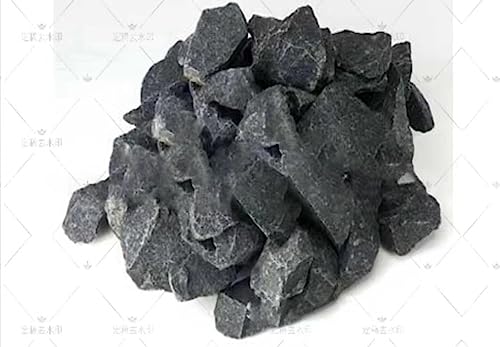
Sauna technology has a rich history that dates back centuries, with origins rooted in Finnish culture. The traditional Finnish sauna, known as the "savusauna," used a wood-burning stove to heat rocks, which were then splashed with water to create steam. This method of heating has remained largely unchanged over the years and is still popular in modern saunas.
In the 20th century, advancements in sauna technology led to the invention of the electric sauna heater, which made heating the sauna more convenient and efficient. This innovation allowed for greater control over the temperature and humidity levels in the sauna, leading to a more comfortable experience for users. Saunas became more accessible to the general public, and their popularity spread beyond Finland to other parts of the world.
In recent years, infrared sauna technology has gained popularity for its ability to heat the body directly without heating the surrounding air. This type of sauna is believed to offer health benefits such as detoxification, relaxation, and improved circulation. Despite the advancements in technology, the allure of traditional saunas remains strong, and many sauna enthusiasts continue to enjoy the age-old practice of sauna bathing. Sauna history is truly fascinating, and the evolution of sauna technology over the centuries is a testament to the enduring appeal of this timeless tradition.
Modern Sauna Culture and Trends
Saunas have been a staple of many cultures for centuries, offering a place for relaxation, socializing, and promoting overall well-being. However, in recent years, there has been a resurgence in modern sauna culture, with new trends and practices emerging that are reshaping the sauna experience.
One of the most popular trends in modern sauna culture is the rise of infrared saunas. Unlike traditional saunas that use steam or hot rocks to heat the air, infrared saunas use infrared light to heat the body directly. This is said to have a range of benefits, including detoxification, pain relief, and improved circulation. Many wellness centers and spas now offer infrared sauna sessions as a way to relax and rejuvenate.
Another trend in modern sauna culture is the incorporation of technology. Smart saunas, equipped with features like Bluetooth speakers, LED lighting, and touch-screen controls, are becoming increasingly popular. These high-tech saunas offer a more personalized and immersive experience, allowing users to tailor their sauna sessions to their preferences.
Despite these modern advancements, traditional sauna practices still hold strong in many cultures around the world. Sauna rituals differ from country to country, with unique customs and etiquette passed down through generations. Whether it's the wood-burning saunas of Finland or the banya traditions of Russia, sauna history continues to shape the way we view and experience this ancient wellness practice.